Meta Description: Discover the top 15 nutrient-rich foods you should add to your diet today. Learn how these healthy foods support energy, wellness, weight management, and overall health.
Top 15 Nutrient-Rich Foods You Should Add to Your Diet Today
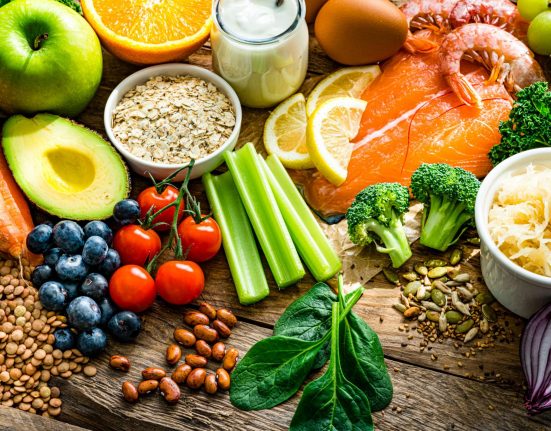
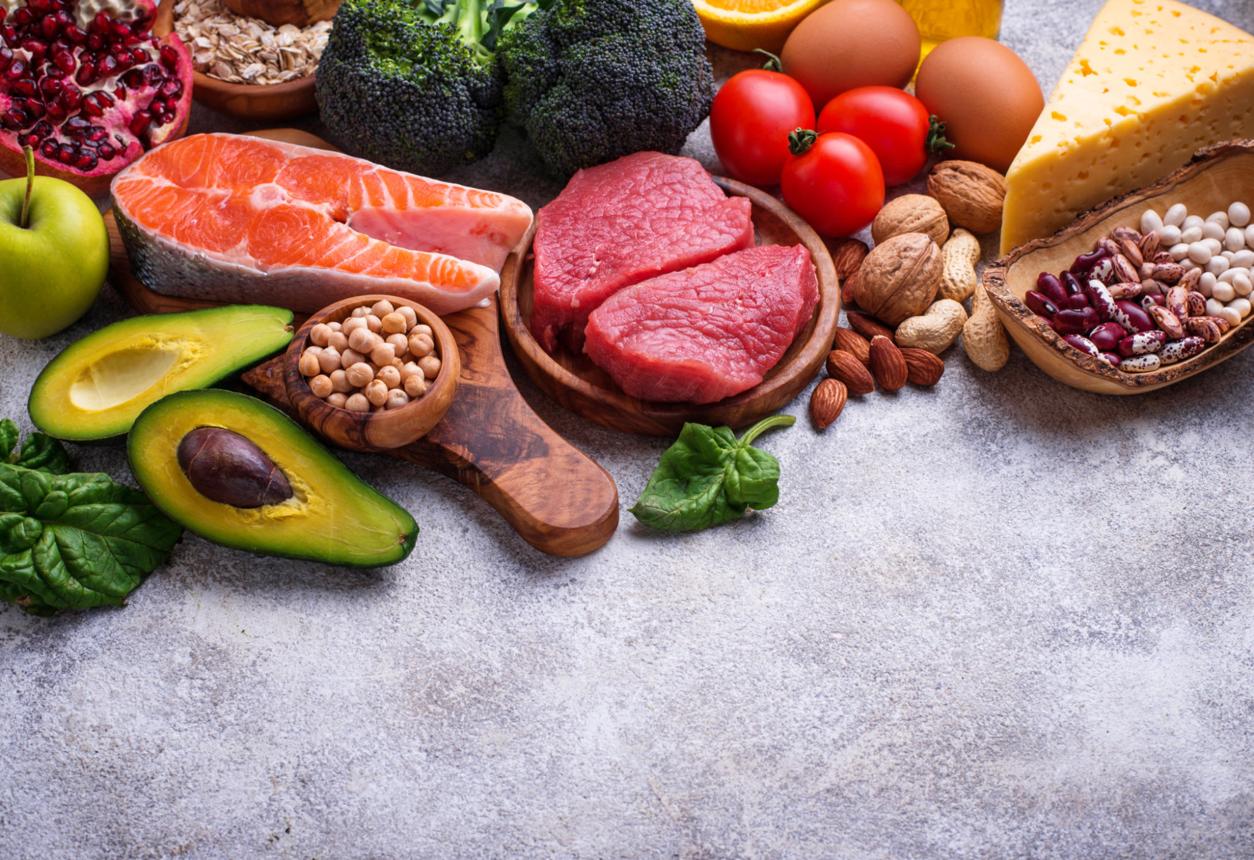
When it comes to improving your health, few things are as important as the foods you choose to eat every day. While calories often receive the most attention, the nutritional quality of those calories matters just as much. Nutrient-rich foods provide vitamins, minerals, antioxidants, healthy fats, fiber, and other compounds that help your body function at its best.
Many modern diets are filled with highly processed foods that may provide plenty of calories but relatively few nutrients. Over time, relying heavily on these foods can make it more difficult to meet your body’s nutritional needs. Choosing nutrient-dense foods instead can help support energy levels, immune function, heart health, digestive health, healthy weight management, and overall well-being.
The good news is that nutrient-rich foods are available in every grocery store and can easily be incorporated into your meals and snacks. From colorful fruits and vegetables to healthy proteins and whole grains, there are countless delicious options that provide exceptional nutritional value.
In this guide, we’ll explore 15 of the most nutrient-rich foods you can add to your diet today and explain why each one deserves a place on your plate.
What Are Nutrient-Rich Foods?
Nutrient-rich foods are foods that provide a high concentration of essential nutrients relative to their calorie content. These foods typically contain significant amounts of vitamins, minerals, fiber, protein, or healthy fats while being relatively low in added sugars and unhealthy fats.
Nutrient density is important because your body relies on a wide range of nutrients to support everything from brain function and hormone production to muscle repair and immune defense. By choosing foods that deliver more nutrition per bite, you can maximize the quality of your diet without dramatically increasing calorie intake.
Nutrient-Rich Foods Comparison Table
| Food | Key Nutrients | Main Benefits |
|---|---|---|
| Salmon | Omega-3s, Protein, Vitamin D | Heart and brain health |
| Eggs | Protein, Choline, B Vitamins | Muscle and brain support |
| Blueberries | Antioxidants, Fiber | Cellular protection |
| Spinach | Iron, Vitamin K, Folate | Bone and blood health |
| Greek Yogurt | Protein, Calcium | Digestive and bone health |
| Avocados | Healthy Fats, Potassium | Heart health |
| Sweet Potatoes | Vitamin A, Fiber | Eye and immune health |
| Almonds | Healthy Fats, Vitamin E | Heart and skin health |
| Broccoli | Vitamin C, Fiber | Immune support |
| Oats | Fiber, Magnesium | Digestive health |
| Chia Seeds | Fiber, Omega-3s | Satiety and digestion |
| Beans | Protein, Fiber | Blood sugar support |
| Quinoa | Protein, Minerals | Energy and muscle support |
| Sardines | Calcium, Omega-3s | Bone and heart health |
| Kale | Vitamins A, C, K | Overall wellness |
1. Salmon

Salmon is widely regarded as one of the healthiest foods available. Rich in high-quality protein and omega-3 fatty acids, salmon supports cardiovascular health, brain function, and overall wellness.
Omega-3 fats play an important role in maintaining healthy cell membranes and supporting normal inflammatory responses. Salmon is also one of the few natural food sources of vitamin D, a nutrient many people struggle to obtain in sufficient amounts.
Adding salmon to your meals one or two times per week can be a simple way to boost your intake of essential nutrients while enjoying a flavorful and satisfying source of protein.
2. Eggs
Eggs are among the most nutritious foods on the planet. They contain a remarkable combination of protein, healthy fats, vitamins, and minerals packed into a relatively small serving.
One particularly important nutrient found in eggs is choline, which supports brain health and normal cell function. Eggs also provide vitamin B12, selenium, and high-quality protein that can help support muscle maintenance and satiety.
Despite past concerns about dietary cholesterol, many healthy individuals can enjoy eggs as part of a balanced diet.
3. Blueberries
Blueberries are small but incredibly powerful from a nutritional standpoint. They are rich in antioxidants, particularly compounds called anthocyanins, which give blueberries their deep blue color.
Antioxidants help protect cells from oxidative stress caused by everyday environmental and metabolic processes. Blueberries also provide fiber and vitamin C, making them a nutritious addition to smoothies, oatmeal, yogurt, or healthy snacks.
Regularly including berries in your diet can help increase your intake of beneficial plant compounds while satisfying your sweet tooth naturally.
4. Spinach

Spinach is often considered a nutritional powerhouse because it delivers a wide range of nutrients while remaining very low in calories.
It contains iron, folate, vitamin K, magnesium, and antioxidants that support overall health. Vitamin K is particularly important for bone health, while folate plays a critical role in cell growth and development.
Spinach can be enjoyed fresh in salads, blended into smoothies, or cooked as a side dish alongside your favorite meals.
5. Greek Yogurt
Greek yogurt provides significantly more protein than traditional yogurt, making it an excellent option for supporting fullness and muscle maintenance.
It also contains calcium, probiotics, and other nutrients that contribute to digestive and bone health. Choosing plain Greek yogurt allows you to avoid excess added sugars while providing a versatile ingredient that pairs well with fruit, nuts, and seeds.
Its combination of protein and beneficial bacteria makes Greek yogurt one of the most valuable additions to a healthy eating plan.
6. Avocados
Avocados are unique because they are rich in healthy monounsaturated fats rather than carbohydrates. These fats support heart health and can help promote feelings of fullness after meals.
Avocados also provide potassium, fiber, folate, and several vitamins that contribute to overall wellness. Their creamy texture makes them a versatile ingredient in salads, sandwiches, wraps, and smoothies.
Because they are nutrient-dense and satisfying, avocados can be an excellent choice for individuals focused on healthy weight management.
7. Sweet Potatoes

Sweet potatoes are packed with complex carbohydrates, fiber, and beta-carotene, which the body converts into vitamin A.
Vitamin A plays a vital role in vision, immune function, and skin health. Sweet potatoes also provide potassium and antioxidants that support overall health.
Unlike many highly processed carbohydrate sources, sweet potatoes offer substantial nutritional value while delivering satisfying flavor and texture.
8. Almonds
Almonds are one of the most popular nuts for good reason. They provide healthy fats, protein, fiber, vitamin E, and magnesium.
Vitamin E acts as an antioxidant that helps protect cells, while magnesium supports muscle function, energy production, and numerous other physiological processes.
A handful of almonds can make an excellent snack that helps keep hunger under control while delivering important nutrients.
9. Broccoli
Broccoli is a cruciferous vegetable known for its impressive nutrient profile. It contains vitamin C, fiber, folate, and numerous beneficial plant compounds.
The fiber content of broccoli supports digestive health and may help promote feelings of fullness. Meanwhile, vitamin C contributes to immune function and collagen production.
Whether steamed, roasted, or added to stir-fries, broccoli is a versatile vegetable that deserves a regular place in your diet.
10. Oats

Oats are a nutrient-rich whole grain that provides complex carbohydrates, fiber, and several important minerals.
One type of fiber found in oats, called beta-glucan, has been widely studied for its role in supporting heart health and healthy cholesterol levels. Oats also help provide steady energy, making them a popular breakfast choice.
Combining oats with fruit, nuts, and seeds creates a balanced meal that supports satiety and long-lasting energy.
11. Chia Seeds
Chia seeds may be tiny, but they contain impressive amounts of fiber, omega-3 fatty acids, and minerals.
When mixed with liquid, chia seeds absorb water and form a gel-like texture. This property makes them popular in puddings and smoothies while helping promote fullness.
Their nutrient density makes chia seeds a simple addition to a variety of meals and snacks.
12. Beans
Beans are among the most affordable and nutritious foods available. They provide plant-based protein, fiber, iron, potassium, and other essential nutrients.
Because they contain both protein and fiber, beans can help support healthy blood sugar control and appetite management. They also contribute to digestive health by feeding beneficial gut bacteria.
Black beans, kidney beans, chickpeas, and lentils are all excellent choices.
13. Quinoa
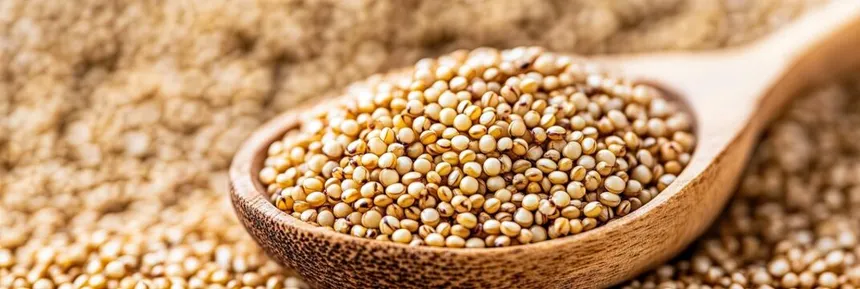
Quinoa stands out among grains because it contains all nine essential amino acids, making it a complete protein source.
It also provides magnesium, iron, fiber, and several vitamins that support overall health. Quinoa’s versatility allows it to be used in salads, grain bowls, side dishes, and breakfast recipes.
Its balanced nutritional profile makes it a valuable staple for many healthy eating plans.
14. Sardines
Sardines are often overlooked despite being one of the most nutrient-dense seafood options available.
They provide protein, omega-3 fatty acids, vitamin D, calcium, and several other nutrients that support heart, bone, and brain health. Because sardines are typically consumed with their soft bones, they are an excellent source of dietary calcium.
Their affordability and nutritional value make them a smart addition to many diets.
15. Kale
Kale has earned its reputation as a superfood thanks to its impressive concentration of vitamins and minerals.
It contains vitamins A, C, and K along with antioxidants and fiber. Kale can be used in salads, smoothies, soups, or sautéed dishes, making it easy to include in your weekly meal plan.
Its nutrient density makes it one of the healthiest leafy greens available.
How to Add More Nutrient-Rich Foods to Your Diet
Improving the quality of your diet does not require a complete overhaul overnight. Small, consistent changes often produce the best long-term results.
Start by replacing processed snacks with nutrient-rich alternatives such as fruit, nuts, or Greek yogurt. Add vegetables to meals whenever possible and experiment with different preparation methods to discover flavors you enjoy.
Building meals around whole foods rather than highly processed products can gradually improve your nutrient intake while supporting overall health and wellness.
Frequently Asked Questions
What is the most nutrient-rich food?
There is no single food that provides every nutrient your body needs. However, foods such as salmon, eggs, leafy greens, and berries are often considered among the most nutrient-dense options available.
Can nutrient-rich foods help with weight management?
Yes. Many nutrient-rich foods contain protein and fiber, which can help promote fullness and support healthy eating habits.
How many nutrient-rich foods should I eat daily?
Aim to include a variety of nutrient-dense foods throughout the day. Diversity helps ensure you obtain a broad range of vitamins, minerals, and beneficial compounds.
Are frozen fruits and vegetables nutritious?
Yes. Frozen produce is often picked at peak ripeness and retains much of its nutritional value.
Final Thoughts
Eating a nutrient-rich diet is one of the most effective ways to support your overall health, energy levels, and long-term wellness. By incorporating foods such as salmon, eggs, berries, leafy greens, nuts, seeds, and whole grains into your daily routine, you can provide your body with the nutrients it needs to thrive.
Rather than focusing solely on calories, consider the nutritional value of the foods you eat. Small improvements in food quality can add up over time and contribute to better health outcomes. Start with one or two foods from this list and gradually build a diet that is rich in nutrients, flavor, and satisfaction.