
Meta Description: Discover how stress can affect weight loss efforts, increase cravings, disrupt sleep, and impact metabolism. Learn practical strategies to manage stress and support your health goals.
How Stress Can Affect Weight Loss Efforts
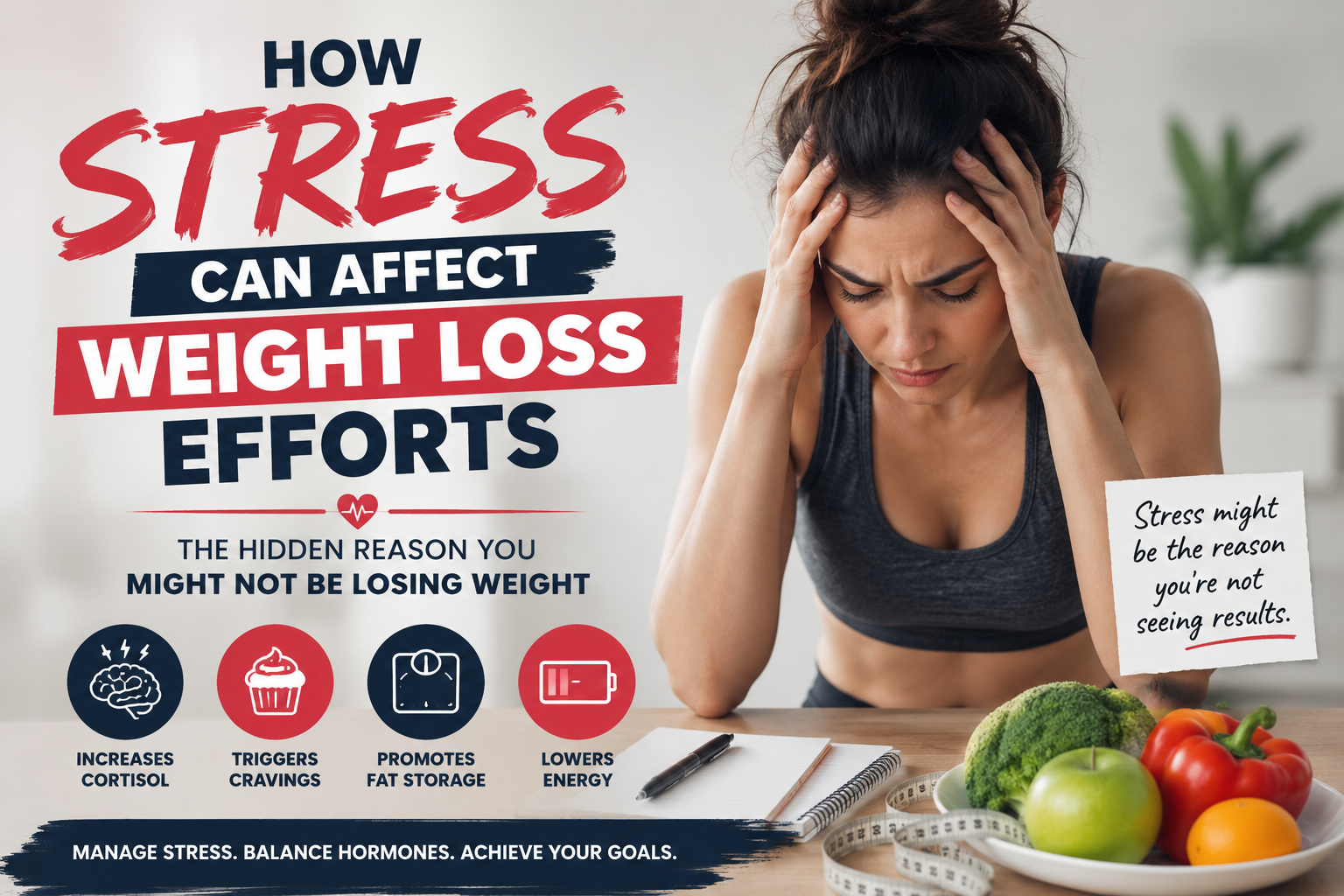
Many people focus on diet and exercise when trying to lose weight, but one important factor is often overlooked: stress. While maintaining a healthy eating plan and staying physically active are essential components of a successful weight management strategy, chronic stress can significantly influence your results. In fact, stress may affect appetite, food choices, sleep quality, energy levels, physical activity, and even hormone regulation.
If you’ve ever felt frustrated because you were eating well and exercising consistently but still struggling to see progress, stress could be part of the explanation. Modern life exposes many people to ongoing pressures related to work, finances, family responsibilities, and personal commitments. Over time, these stressors can impact both physical and mental well-being.
Understanding the relationship between stress and weight management can help you develop a more balanced approach to your health goals. Rather than focusing solely on calories and workouts, recognizing the role of stress may allow you to address one of the most significant obstacles to long-term success.
In this comprehensive guide, we’ll explore how stress can affect weight loss efforts and discuss practical ways to manage stress while supporting a healthy lifestyle.
The Relationship Between Stress and Weight Management
Stress is a natural response that helps the body react to challenges and potential threats. In short-term situations, stress can be beneficial because it prepares the body to take action. However, when stress becomes chronic, the body’s response systems may remain activated for extended periods.
This prolonged activation can influence numerous processes related to weight management. Some individuals notice increased cravings, while others experience reduced motivation to exercise or difficulties sleeping. Over time, these changes can make it harder to maintain healthy habits and achieve weight loss goals.
Weight management is rarely determined by a single factor. Instead, it is influenced by a combination of nutrition, physical activity, sleep, genetics, lifestyle habits, and emotional well-being. Stress interacts with many of these factors simultaneously, which is why its impact can be so significant.
How Stress Hormones Influence the Body

One of the primary ways stress affects the body is through the release of hormones. When the brain perceives stress, it signals the body to produce stress-related hormones that help prepare for action.
While these responses are useful during emergencies, they may become problematic when activated continuously. Chronic stress can contribute to feelings of fatigue, changes in appetite, and reduced motivation for healthy behaviors.
People experiencing ongoing stress often report feeling mentally exhausted even when they are physically capable of exercising or preparing nutritious meals. This mental fatigue can gradually interfere with long-term health goals.
How Stress Can Increase Cravings
One of the most noticeable effects of stress is its influence on food choices. During stressful periods, many individuals find themselves craving foods that are high in sugar, refined carbohydrates, and unhealthy fats.
These foods are often referred to as “comfort foods” because they may temporarily provide feelings of pleasure or emotional relief. Unfortunately, relying on these foods regularly can increase overall calorie intake and make weight management more challenging.
Stress-related eating does not always occur because of physical hunger. Instead, it is often driven by emotional factors. Someone may eat in response to anxiety, frustration, boredom, or overwhelm rather than genuine nutritional needs.
This pattern can become particularly problematic when stressful situations occur frequently.
Stress and Emotional Eating
Emotional eating is one of the most common ways stress affects weight loss efforts. Food can become a coping mechanism that provides temporary comfort during difficult situations.
Many people turn to snacks, sweets, or fast food after a stressful day because these foods are easily accessible and require little effort. While occasional comfort eating is normal, repeated emotional eating can interfere with healthy habits.
The challenge is that emotional eating often creates a cycle. Stress triggers eating, which may be followed by guilt or frustration, creating additional stress and increasing the likelihood of further overeating.
Recognizing emotional eating patterns is an important step toward breaking this cycle and developing healthier coping strategies.
Stress and Sleep Quality

Sleep plays a critical role in weight management, yet stress frequently disrupts sleep patterns.
People experiencing high levels of stress may struggle to fall asleep, stay asleep, or achieve restorative sleep. Poor sleep can lead to increased fatigue, reduced energy, and greater difficulty maintaining healthy habits throughout the day.
When individuals are tired, they may be more likely to skip workouts, rely on convenience foods, and consume additional calories for energy. Over time, these behaviors can negatively affect weight loss efforts.
Stress and Physical Activity
Exercise is often recommended as a stress management tool, but chronic stress can also reduce motivation to exercise.
When people feel overwhelmed, physical activity may become a lower priority. Long work hours, emotional exhaustion, and mental fatigue can make it difficult to maintain a consistent fitness routine.
As activity levels decline, overall calorie expenditure may decrease. Combined with increased stress-related eating, this can create additional challenges for weight management.
The key is finding forms of movement that feel manageable and enjoyable, even during stressful periods.
Common Signs Stress May Be Affecting Your Weight Loss Progress
Stress-Related Weight Loss Challenges
| Sign | Potential Impact |
|---|---|
| Frequent cravings | Increased calorie intake |
| Emotional eating | Difficulty maintaining nutrition goals |
| Poor sleep | Reduced recovery and energy |
| Fatigue | Lower activity levels |
| Increased snacking | Excess calorie consumption |
| Lack of motivation | Reduced exercise consistency |
| Mood changes | Difficulty maintaining healthy habits |
| Irregular eating patterns | Increased hunger and cravings |
Recognizing these signs can help identify whether stress may be contributing to stalled progress.
Why Stress Makes Healthy Habits More Difficult
Stress does not simply affect one aspect of health. Instead, it influences multiple behaviors simultaneously.
Someone under chronic stress may sleep less, exercise less, crave unhealthy foods more often, and struggle with meal planning. Individually, each factor may seem minor, but together they can significantly impact weight management efforts.
This is why successful weight loss often requires more than calorie counting alone. Addressing lifestyle factors such as stress can help create a stronger foundation for long-term success.
The Importance of Stress Management
Managing stress does not mean eliminating all challenges from life. Instead, it involves developing healthy strategies for responding to stressful situations.
People who successfully manage stress often find it easier to maintain consistent eating habits, stay physically active, and prioritize sleep. These behaviors work together to support overall health and weight management.
Stress management should be viewed as an essential component of a wellness plan rather than an optional addition.
Walking as a Stress Reduction Tool
Walking is one of the simplest and most effective ways to reduce stress.
A daily walk provides an opportunity to step away from stressful situations, clear the mind, and engage in gentle physical activity. Exposure to fresh air and natural environments may further support relaxation and emotional well-being.
Walking also supports calorie expenditure, making it a valuable habit for both stress management and weight loss.
Mindful Eating and Stress Reduction

Mindful eating involves paying closer attention to hunger, fullness, and food choices.
Many people eat quickly or while distracted by screens, work, or other activities. During stressful periods, this tendency can become even more pronounced.
Practicing mindful eating encourages greater awareness of emotional triggers and can help reduce stress-related overeating.
Simple strategies include eating slowly, minimizing distractions during meals, and checking in with hunger levels before reaching for snacks.
Building a Sustainable Routine
One of the most effective ways to reduce stress is by creating predictable routines.
Consistent meal times, regular physical activity, adequate sleep, and scheduled relaxation periods can help create a sense of stability and control.
Healthy routines reduce decision fatigue and make it easier to maintain positive habits even during challenging periods.
Rather than striving for perfection, focus on creating routines that are realistic and sustainable.
Nutrition Strategies During Stressful Periods
Nutrition remains important when managing stress.
While comfort foods may provide temporary relief, prioritizing balanced meals can support energy levels and overall well-being.
Meals that include protein, fiber, healthy fats, fruits, and vegetables tend to be more satisfying and can help maintain steady energy throughout the day.
Staying hydrated is also important, as dehydration may contribute to fatigue and reduced concentration.
Creating a Long-Term Mindset
Many people approach weight loss with an all-or-nothing mindset, expecting rapid results. However, sustainable weight management is typically a long-term process.
Periods of stress are a normal part of life. Instead of viewing temporary setbacks as failures, it can be helpful to focus on consistency and gradual progress.
Small actions performed consistently often have a greater impact than extreme measures that cannot be maintained.
Developing resilience and flexibility can help individuals stay committed to their goals even when life becomes challenging.
Frequently Asked Questions
Can stress really affect weight loss?
Yes. Stress can influence eating behaviors, sleep quality, motivation, and lifestyle habits that contribute to weight management.
Does everyone gain weight when stressed?
No. Some individuals eat more during stressful periods, while others experience reduced appetite. Responses vary from person to person.
Can exercise help reduce stress?
Yes. Activities such as walking, cycling, swimming, and strength training may help support emotional well-being and stress management.
How can I stop stress eating?
Identifying emotional triggers, practicing mindful eating, staying physically active, and developing alternative coping strategies can help reduce stress-related eating.
Final Thoughts
Stress is an often-overlooked factor that can significantly affect weight loss efforts. While healthy eating and regular exercise remain essential, chronic stress may influence cravings, emotional eating, sleep quality, motivation, and daily habits that contribute to long-term success.
The good news is that stress management is a skill that can be developed over time. By prioritizing sleep, staying physically active, practicing mindful eating, and creating sustainable routines, individuals can better support both their mental well-being and their weight management goals.
Rather than viewing weight loss solely through the lens of diet and exercise, consider the broader picture. Managing stress effectively may be one of the most powerful strategies for supporting lasting health and sustainable progress.